即便你不是個小粉紅,你多半會覺得我此文太過樂觀,甚至是自嗨。
在普京侵烏前24天,2022年1月31日,在《普京:身綁炸藥衝進錢莊要錢的光棍 》中我說,俄軍戰力根本不是世界第二,俄軍面對北約武器將是一場一邊倒的大屠殺。
當時,包括北約在內,沒人持這個觀點。
本文有如下幾部分:
2. 詳解雙方軍力差距
3. 差距如此大的根本原因
4. 為什麼抗美援朝不會重演?
5. 美軍在阿富汗沒有戰敗
1. 歷史趨勢 中美軍力之間差距的歷史趨勢有二個版本:中共的宣傳和真相。
下圖是中共宣傳中的中美軍力的比例:
中共宣傳中的中美軍力比例
就是說:
朝鮮戰爭中,中國的軍力只有美國的几分之一,但中國軍隊靠勇敢戰勝了美軍。
海灣戰爭驚醒了中共,他們發現中美二軍差距比朝鮮戰爭時更大了。於是開始軍隊現代化。
習上台後,大幅增大軍費,中國軍事科技突飛猛進。今天中國軍力已經接近美軍。
因為東升西降,未來中國的經濟和軍力將大幅度超越美國。
美軍也相信中共的這個宣傳。你可以說是因為美國人不知道中共牛皮吹得多大,但我更相信是美軍和武器商樂得拿著中共的大外宣去向國會要撥款。
真相是下圖:
真實的中美軍力比例
朝鮮戰爭中,中國的軍力只有美國的几分之一。
海灣戰爭後,中共加速軍事現代化,武器數量上(比如海軍軍艦數量)中美差距減小。但因為美軍高科技的發展速度比中國更快,所以雙方軍力差距並未縮小。
習上台後,進一步增大軍費,中國軍力大幅度上升。美國因此認識到中共把自己當成不共戴天的死敵,所以使出爆發力發展軍力。因為美國科技能力是中國的百倍千倍,國力數倍於中國,美國發力後差距再次拉大。
將來,因為西方對中國的技術封鎖和人工智能的倍增效應(見《AI在20年內對國際局勢的巨大影響 》),中美軍力的差距會大到重機槍對長矛的程度,遠遠大於鴉片戰爭時中英的軍力差距。
早在2018年,我就寫了《准确量化:中国综合军力是美国的百分之一! 》。現在可能是三百分之一了。
2. 詳解雙方軍力差距 這裡我只比較中美的空軍,因為自海灣戰爭以來,中等規模以上的戰爭都是先由導彈和空軍獲得製空權。一旦獲得製空權,對方的陸軍和海軍就成了待宰的羔羊。
隱形戰機
請注意下面七個事實:
【1】1983年,世界上第一架隱形戰機 — 美軍的F117夜鷹攻擊機服役。它的雷達反射面積至少0.1平方米,就是一個洗臉盆 那麼大。
F117夜鷹 【2】2005年,美軍的F22猛禽服役。
F22猛禽
它的雷達反射面積如一個玻璃球 大小:
F22的雷達反射面積
【3】2007年,因為相信了俄軍吹噓的S400防空導彈的反隱身戰機的能力,美軍將F117夜鷹退役。
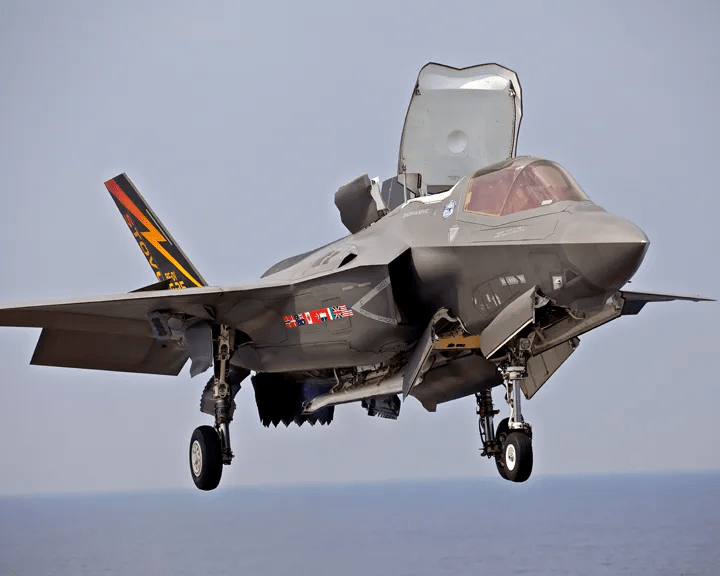
【4】2015年,美軍的F35雷電服役。
F35雷電
作為F22的低配版,它的雷達反射面積如一個網球 大小。
【5】近些年,封存的F117夜鷹被再次啟用,在中東執行轟炸任務,因為
美軍發現中俄的雷達、導彈根本沒有反隱身能力:
俄軍正在研製的五代機蘇57和中國剛服役的五代機殲20的雷達反射面積比F117還大。
即使F117因故障墜毀在敘利亞政府控製區,美國也不在乎,因為F22、F35的技術比它先進太多。
【6】美國七十年代服役的極其優秀的重型雙發戰鬥機F15因爲沒有任何隱形能力,二十年前就被排在退役的日程表上了,但最近麥道公司忽然推出了升級版F15EX,除了機身氣動外形沒有變化 —— 這意味著仍然沒有任何隱形能力,電子系統和F35一樣先進,載彈量從7噸上升到13噸,價錢比F35還貴。
這再次説明,美國明白了,中俄的雷達和導彈對毫無隱身能力的F15不構成嚴重威脅。實際上,據中共軍方高層承認,他們的武器的技術低於俄軍,可靠性比俄軍差得遠了。西方武器專家研究了中國雷達後得出的結論更加殘酷:中國雷達比俄國落後至少十年。中國還在斥巨資購買S400,也證明了這一點。
【7】敘利亞部署的俄軍最先進的防空導彈一直被以軍的F35摧毀,後者從未被擊落。
根據以上事實,可不可以說,雷達反射面積是F117十分之一的F35和幾百分之一的F22,就是穿著睡衣,趟著拖鞋,也可以在中南海上空來去自由?
實際上,F35和F22確實多次進入中國領空,只是共軍不知道而已。
美軍公開的資料說,對付中國部署在西北的洲際核導彈的方法之一,就是由F35使用空空導彈在其上升階段予以擊落。洲際導彈從發射到飛出大氣層只需要三四分鐘,而F35從美軍駐日基地飛到中國西北需要二三個小時,所以美軍不可能是等發現共軍核導彈升空了,才派F35進入中國境内。肯定是在美國情報顯示中共可能發生核導彈后,就整天保持好幾架F35在中國西北盤旋,每隔幾個小時換一班。
這從側面再次證明,美軍的低配F35出入中國上空如入無人之境。
而中國的殲20呢?第一次去中印邊境示威,就被印軍雷達逮了個正著。鴨翼(飛行員座艙下安裝的小型三角翼)會造成強烈的雷達反射,所以美軍說“安裝鴨翼最好的地方是敵人的飛機上”。
於是殲20就遵命裝了鴨翼。
請你記住我的預言:真打起來,美軍的四代機F15、F16照樣把殲20一架架打下來。
呼之欲出的美軍六代機
美軍下一代的六代戰鬥機的所有關鍵技術都已經落實,計劃在2030年前服役。它的革命性技術包括:
雷達隱身性能比F22更好。
變循環發動機可提供超大推力和功率,可支持大概率激光,超音速巡航,低油耗,不依賴空中加油的作戰半徑達二千公裡以上,紅外特征大為減小,紅外隱身性能幾十倍地提高。
作為數據、情報、指揮中心,帶領大量人工智能操縱的無人機。
全新紅外探測系統和雷達的體積大為縮小,發現目標距離大為增加,可偵測目標尺寸大為減少,發現F35不在話下。
內置武器艙可攜帶射程一千公里以上的對地反艦導彈和射程三百公里的空空導彈。
但這還遠遠不是美軍所有的絕活。
智能拖曳假目標
一架美軍F35戰機配備四個拖曳假目標。平時貼身攜帶,檢測到被敵人雷達鎖定後(因為F35的優秀隱身性能,這本來就不可能),就放出一台,通過光纖拖曳在戰機後面一百多米。戰機上的先進的傳感器收集敵軍雷達和來襲導彈的參數,通過光纖傳輸給假目標,假目標於是展開第一層防禦:電子干擾和欺騙敵軍雷達,使其無法鎖定自己和引導導彈。
如果第一步失敗,導彈發射了,假目標就展開第二道防禦:電子干擾和欺騙來襲導彈,使其失去目標。
如果第二步再次失敗,導彈繼續逼近,假目標就轉入第三個角色,開始像向導彈播送戰機的雷達特征回波,把導彈吸引到自己身上。一百米的長度是一個最佳距離,太遠,導彈可能辨識出戰機和假目標是二個目標,於是攻擊前面的戰機;太近,導彈在假目標旁爆炸後可能傷及戰機。
如果前二步奏效,假目標可以收回,下次再用。
本來就不可能被發現、被鎖定的隱形戰機,就是被鎖定了,照樣有辦法全身而退。
AIM-260空空導彈
美軍剛剛開始裝備的AIM-260空空導彈射程180公里。中國的霹靂15空空導彈射程號稱300公里。美軍一貫的準則是自己的武器必須比敵人吹牛逼的程度先進一大截,為什麼美國人把AIM-260當做自己最先進的空空導彈來吹噓?
其實,單從這一點,你就可以推斷:中國的霹靂15的牛皮一定是吹到了這樣一種境界,以至於一貫假裝相信中國的牛皮好拿去向國會要撥款的美國軍火商們都不好意思裝了。
現在各國所有空空導彈都一樣:火箭燃料在走完一半射程後就耗盡了。比如敵機在八千米高度,導彈發射後會在有燃料的階段會爬升到一萬多米高,在接近敵機後再俯衝下來。這是因為第一,在更高的高度上空氣更稀薄,阻力更小,第二,在俯衝過程中可以將高度轉換成速度。
但不管怎麼說,在沒有動力的後半段,在空氣阻力的作用下,導彈的速度肯定是越來越慢。所以越往後,敵機就越容易通過高速和劇烈的機動來擺脫導彈,不僅因為導彈的速度本來就已經慢了,而且因為它試圖跟蹤目標做劇烈機動時所喪失的動能比直線飛行時損失的動能多許多倍。
所以,在導彈的最後三分之一的射程裡,它只對大型、機動能力差的目標比如預警、運輸機構成威脅。
所有國家的所有現役導彈都是這樣的。
根據中俄一向秉承的牛皮吹上天的做法,我們大概可以猜出霹靂15的射程是如何測試出來的:
導彈在非常高的高度發射,目標也在非常高的高度,這樣導彈全程所受到的阻力最小;
目標體積巨大,而且不做任何機動。
甚至,目標還偷偷發射雷達波,好引導導彈來擊中自己。
這類作弊是中國的研究所在鑒定會和領導視察時慣用的手段。中國戰機的雷達在二百多公里的距離上對敵機的辨識和跟蹤能力非常有限,睜眼瞎都是可能的,而中國導彈上自帶的雷達比美軍導彈上的雷達差得更遠。所以就算霹靂15能飄到200公里以外,就算敵機不做任何機動,它可能都看不見敵機。所以在測試時,目標需要自己發出強烈的信號,好像黑夜裡的熊熊大火,半瞎的青光眼也能看見。
如果在上述情況下霹靂15能打200公里,那麼研究所就在鑒定書上寫300公里,事先打點好的專家們照樣會簽字通過。
所以,中國所謂的300公里射程可能意味著:
對美軍F35、F22和已經淘汰的F117毫無威脅。
在50或60公里內,對不採用干擾措施的四代機如蘇27、F16構成一定威脅。
在80或100公里內對不採用干擾措施的、體積巨大、機動性差的目標比如預警機構成一定威脅。
130公里或150公里外,所有目標都可以高枕無憂。
下面再看看美軍的AIM-260。
美軍的火箭技術非常先進,同樣的射程,美軍導彈的尺寸比中俄的小很多。在開始的一半航程,AIM-260和中共導彈一樣,加速、爬升,火箭熄火,靠慣性飛行。然而,在接近目標並開始俯衝後,火箭重新點燃,不論敵機做任何高速、大過載機動,它一定能追上。
該導彈上同時有雷達和紅外二種導引裝置。單看其中一種,都比霹靂15的探測距離、辨識精度高很多倍,二種同時使用,彼此支持和印證,發現和跟蹤目標的能力又翻了幾翻。
所以,一旦被AIM-260鎖定,你就死定了。
美軍在測試武器性能時,一向取不同測試條件下最差的數值。如果AIM-260在高空射程300公里,在低空射程250公里,則取250公里為射程。
而且,在測試時,目標和戰鬥機一樣小,甚至是具有一定隱身能力,甚至可能作機動。只有在這種的情況下都幾乎次次命中,美軍才會採用這個射程數據。
然而,就算是這樣獲得的250公里射程,也肯定不是美軍公佈的數據,而是絕密。公佈的數據一定打折扣。於是250公里的射程就變成了180公里。
在實戰中,這很可能意味著中國戰機包括殲20在250公里外、在根本不知道美軍戰機在哪的情況下,就會莫名其妙地在空中爆炸。
這就是為什麼美軍面對中國號稱有效射程300公里的霹靂15,能自信地說:自己的射程為180公里的AIM-260是稱霸未來天空的先進武器。
各種無人機
美軍的六代機可以指揮大量作為智能假目標的廉價微型無人機,先行到達戰場后,向敵方雷達發送各種假回波,以偽裝成B52、F15、F16,巡航導彈等任何飛行器,耗盡敵人的防空導彈。
六代機還可以指揮AI控制的低、中、高端戰鬥機如XQ-58A女武神,先行到達戰場后,摧毀敵方防空導彈、雷達、機場等設施,為載人戰機、轟炸機如F35、F22、B1B、B2、B21掃除威脅。其中中低端無人機的價格比中俄的防空導彈還便宜。
開戰後,大批智能假目標摻雜著智能隱身巡航導彈、掛武器和偵查設備的中端無人機蜂擁而至。共軍如果發射防空導彈,就算全部擊中無人機,因為導彈比無人機還貴,越擊中越賠本。何況這些無人機有一定隱身能力,相比之下,那些假目標的回波大得多,中共的導彈肯定都去打假目標了。這就會耗盡中共導彈的庫存。同時,那些麼混雜在假目標之中的無人機和隱形智能導彈會把共軍的雷達炸個精光,為第二波更大規模但更便宜的非隱身導彈和使用激光制導炸彈的有人戰機掃平障礙。
就是說,美軍橫豎躺贏,橫豎零傷亡。
美國人是不是太惜命了?
中俄的雷達和戰機絕對看不見F35。更不用說隱身能力十倍於F35的F22,和比F22更隱身的即將投產的六代機。
但美國人還是不放心。於是美軍戰機上裝備了即便戰機不隱身也照樣保護戰機免遭擊落的三層防禦的假目標。
但美國人還是不放心。於是他們開發出射程遠遠大於中國雷達、導彈有效範圍的導彈,中俄就算知道美軍戰機在哪也乾瞪眼夠不著,然後就稀里糊塗地爆炸了。
美國人是不是太惜命了?
一旦在臺海開戰,共軍傷亡可能是五、六位數,美軍傷亡可能是二位數,而且事故傷亡可能遠大於陣亡。
詳情請見《預言台海之戰全過程 》。
誰讓你吹牛逼呢?你的武器性能只有第二代,你吹成三代,美軍假裝上當,結果研製成性能為六代的武器。到打起來,就成了重機槍對長矛。
3. 中美差距如此之大的根本原因 體制不同
我的讀者都知道我的政評和其他所有的政評人的根本區別:其他人討論表面現象,我探求根本原因。
那麼,中美軍力越拉越大的根本原因是什麼?
美國有個專門研製超前國防科技的DARPA(高級國防科研項目機構),互聯網、GPS、無人機、隱形技術都是它搞出來的。它只花了100億美元就搞出了美國六代機所需要的變循環發動機。這點錢還不夠習皇帝出國一次大撒幣。杭州亞運會就花了300億美元。中共向研製戰鬥機發動機投入了幾千億美元的資金,WP15的性能還是遠遠不及美國四代機發動機的水平,比美軍現役五代機的發動機還差得更遠,而離美軍已經研製成功即將量產的六代機的變循環發動機的距離,就要以光年來衡量了。
為什麼中國的軍工業的效率這麼低?
因為美國的高科技產業有一套完整的供應鏈,所有環節都是私有制,不靠國家出資補貼,所以都是靠競爭產生的世界頂尖。不論是波音還是洛馬,他們都不是所有零部件自行研製自行生產,而是到這個供應鏈上去訂購。
這就好比你是一個世界一流的大廚,你用的各種烹飪器具、調料、食材都是市場上能買到的,而且能買到世界上最好的。你發明並烹調出一道新的菜餚,只需要到市場上走一圈,然後回來花二個小時切、炒就行了。
而中國的軍工業全部是國營。就好像你為了要炒一道菜,不得不僱人採礦、煉鐵、打菜刀、沖壓鍋盆、種黃豆釀醬油、種芝麻榨香油、養豬、屠宰、種各種青菜和穀物、磨麵粉。就算是所有人都盡心盡力,你炒這道菜的成本也會是前者的百倍。而且因為你專門顧的這些人不可能都是各行各業的世界第一,所以你的菜刀鈍,切不出刀花,鍋容易糊,醬油味道不正,麵粉粗,所以你做出來的菜一定不會像前者那樣好吃。
再加上你顧的每個人都貪污。你炒同樣一道的菜所需要的成本本來就百倍於前者了,再加上漏勺一樣的貪污節流,於是就千萬倍了。
還有,就是蠢
中國搞出一個只有靠洲際導彈火箭才能發射的、只能用於發射核武器的高超音速導彈後,美國被迫跟上,但一再測試失敗,小粉紅們歡呼雀躍。
我立即在《高超音速武器對中國是福是禍? 》裡預言:美國一定會反超。
二年後,美國部署了空射、海射、陸射都行的“利箭”超高音速導彈。另一個獨立開發商也獨立研製成功了同樣的高超音速導彈。洛馬甚至推出了F35內置彈艙可攜帶的高超音速導彈。就是說,美國的高超音速導彈技術已經把中俄甩掉好幾條街了。
真打起仗來,挨高超音速武器炸的只有中俄。
我是搞過高科技開發的,所以我知道:一項全新的新技術從無到有所花費的努力和資源最大。這樣的項目要先進行可行性研究:
1. 建立完善的數學模型,證明理論上可行。
2. 確認自己有批量生產所需要的電子、機械、材料、加工技術。
3. 製造出實驗樣機,證明前二步的正確性。
看過最近的電影《奧本海默》的觀眾一定會對這個可行性研究階段所需要的宏大投入有深刻的印象。這個階段的花費可能是此後將樣機轉化成可批量生產的小型化成品的花費的好幾倍。
而你一旦開發成功,對手就沒必要進行可行性研究了,就算他沒有竊取你的設計,單單從開源渠道獲得的知識,就可以節省他很大的花費。如果對手竊取了你的技術(中國最擅長),花你百分之一的錢彎道超車也是可能的。
所以,如果自己在所有領域都領先對手,在全新的領域開啟軍備競賽就是一個完全沒必要、極其不划算的買賣。這就是為什麼美國直到得知納粹的核武研究已經領先後才開始曼哈頓計畫,直到中國高超音速滑翔體實驗成功才開始奮起直追。
中共沒有道理不知道美國的深厚的技術儲備和效率,但不知為什麼,他們偏偏要在最燒錢、最需要技術儲備的領域去發起軍備競賽。
這就好比小趙、小馬二個男孩爭奪一個女孩的芳心。小趙他爸是礦工,小馬他爸是馬雲。小趙想把小馬比下去,唱歌、體育、學習成績,比什麼不好?但小趙偏偏要逼著父母賣祖產給自己買蘋果手機,好向女孩炫富。小馬本來行事低調,住大學宿舍,拿著一部二百塊的小米手機,騎著自行車。現在既然小趙炫富寒磣自己,“那就別怪我不客氣”,於是小馬就開著直升飛機來接女孩來去海邊懸崖上38個房間的豪宅拍拖。
所以,請你記住我的預言:中國向某個極高科技武器領域投資越大,美軍在這個領域領先中國的程度就越大。
中共是唯蠢,無他。
4. 為什麼抗美援朝不會重演? 只要一談起美軍優勢,腦殘的小粉紅們一定會抛出二根救命稻草:
中國軍隊小米加步槍,但在朝鮮打敗了美軍的飛機加大炮。
美軍在阿富汗的“慘敗”。
在朝鮮戰爭中,美空軍雖然有制空權,但沒有能力完全主宰戰場,所以共軍的地面部隊在頭二次戰役中將美軍打回了三八線,在後面的幾次戰役中能夠守住三八線並給美陸軍造成重大傷亡。
但今天美空軍對地攻擊能力比韓戰時大得多。
美空軍對地攻擊能力
空軍對地攻擊能力由以下關鍵要素構成:
第一:感知能力:你先得發現敵人在哪
不論是韓戰時的志願軍還是越戰時的北越軍隊,都能利用森林、崇山峻嶺尤其是黑夜做掩護,秘密調動大批部隊和武器裝備。這是因為那時的偵察機全靠肉眼發現地面目標,即使在隱蔽的部隊上空也往往看不見。又不可能在方圓幾百公裡的戰場上隨時隨地存在,因為那樣需要成千上萬架偵察機不停地飛。
現在,
衛星上的合成孔徑雷達可以穿透植甚至工事,
紅外成像和夜視裝置可以在任何時候發現偽裝的人員和車輛。
成千上萬的偽裝成樹枝、石塊的微型傳感器可以被空投到戰區,把它們檢測到的人員、車輛信息和圖像實時傳送出去。
大、中、小、微型無人機可以攜帶各種高精度傳感器從幾萬米、幾千米、幾百米甚至幾米的距離偵查。
所以現在沒有製空權的一方根本無法讓自己的大部隊不被發現。
第二:精確打擊能力
使用同樣數量的炸彈,能否把炸彈準確投到目標上區別太大了。
韓戰時的美軍仍然主要依靠俯衝轟炸和掃射。不僅準確性差,而且戰鬥機俯衝掃射的時間只有几秒鐘,再不拉起就撞地了,而且戰鬥機被擊落的危險很大。為了炸毀鴨綠江大橋,美軍進行了無數次投彈。
現在的美軍戰機完全可以在安全的高度使用激光製導將炸彈準確地丟進一扇窗戶。AC130空中炮艦可以長時間在戰場上空盤旋,它的加特林速射炮以每秒鐘30發的速度傾瀉擀麵杖粗細的炮彈,人員、裝甲車都無法倖免,40毫米機關炮和105毫米大炮可以摧毀任何坦克和工事。一架這樣的飛機一次出擊可以打殘几個連的部隊。
第三:彈藥投送能力
那時一架俯衝轟炸機能帶一枚200公斤的炸彈。而現在一架B1B轟炸機可以攜帶62噸的炸彈。B2和B21都能掛彈18噸,就連F15EX都能掛彈13噸。而且這些炸彈枚枚都能扔到想扔的地方。一架B1B就可以打殘一個團的部隊,擊沉一個艦隊。
所以,現在的美空軍可以以百倍的準確性發現敵人,以百倍的準確性把炸彈丟到想丟的地方,以千倍的數量丟炸彈。
幾個禮拜的空襲過後,中共地面部隊所有重裝備、大型工事、彈藥給養的儲備都會被摧毀,人員大部陣亡,只剩下饑寒交迫的散兵游勇到處找美軍投降,好能吃上飯。
這麼強大的對地攻擊能力,其實根本用不上
前面說的美空軍的對地攻擊能力在台海之戰中根本用不上,因為美軍不需要登陸中國大陸,就可以把中國的的戰爭能力徹底癱瘓,而共軍陸軍根本不可能到達台灣。
二戰時盟軍的雷達就可以發現德軍潛艇伸出水面的通氣管,時至今日,任何中共海軍船隻都難逃台灣陸基雷達、日本陸基雷達、美日偵察衛星和偵察機的法眼。
按照美軍的“快龍”戰法,幾十架AC130運輸機和波音客機改裝的運輸機,在距離台灣一千多公里的空中,每架丟出幾個掛在降落傘下的貨架,每個貨架上有9遠程智能隱身反艦導彈,紛紛滑出貨架,點火,飛向台海。這一波導彈就是一千多枚。
在接近戰區後,這些導彈自行探測敵方艦隊在海上的分佈情況和不同艦只的防空能力,彼此協調,繞過最強放空火力,多枚導彈從不同方向同時射向一艘軍艦。
要知道,美軍這種智能隱身導彈是衝著這樣的一個假設來的:所有中國軍艦都像他們牛皮吹的那樣先進。就是說,即使渡海的是一百艘美軍的宙斯盾,這一千枚導彈照樣把它們全部打沉。
但我們都知道,中俄的軍艦的雷達看不見,導彈打出來亂飛,密集陣連演習中用的氣球都打不爆。
美軍的F35、F22、B1B、B2都用不上。
10:00:美台發現共軍百艘船的龐大艦隊開始渡海。
10:30:在一千公里外預定海域盤旋待命的50架運輸機投出導彈貨架,掉頭返航。
11:20:一千多枚導彈飛抵台灣海峽。
11:40:台軍無人機發回方圓幾十公裡的海面上到處燃起大火的壯觀場面。
吃完午飯後,台軍、美軍大部解除戰備,回到軍營,允許休假。
入夜,台海的海面被大火照亮。
第二天清晨,海面上只剩下中台的救援船隻。台海之戰結束。
小米加步槍打敗美帝?繼續做夢吧。
還沒說士氣問題
美軍現在的愛國熱情和驍勇善戰和韓戰時一樣。我的《烏戰深度解析(41):怎樣建立一隻驍勇的軍隊? 》裡舉了幾個例子。
但今天的中國年輕人和那時可有天壤之別。那時候洗腦百分百徹底,所有人都堅信美帝是中華人民的死敵,整個社會政治掛帥,平時說錯一句話都可能被打成右派勞改,打仗時貪生怕死還了得?不僅你肉體死亡,你的家人都會被牽連。而如果你勇敢作戰,你反而不一定死,而且可能立功升官,衣錦還鄉。
現在呢?
“我們是最後一代,謝謝!”
“榮華富貴時想不到我,衝鋒陷陣時想到我了?”
“誰願意去打仗誰去,反正我不會去,也不會讓我的孩子去。”
抗美援朝時志願軍一個營衝上去,五分鐘只剩下營長,後面的繼續衝。指望現在的嬌生慣養的獨生子們有這個視死如歸的氣魄?
5. 美軍在阿富汗沒有戰敗 沒有戰勝,不等於戰敗
阿富汗的塔利班從來沒有穿上制服排兵佈陣或修建戰壕。如果那樣他們早就被消滅了。他們打的是游擊戰,在美軍出行時在有利地形打伏擊或者用路邊炸彈。等美軍大部隊來了,人人都變成村民了。所以美軍的所有先進武器都派不上用場。美軍最怕游擊戰(雖然他們是世界上最善於對付游擊戰的),最不怕的就是中共造航母,因為幾發馬克48魚雷,一共一二千萬美元的成本,中國的幾百億美元就沉底了。
從軍事層面上講,美軍在阿富汗從來沒有被擊敗過。2019年的紀實電影《The Outpost 》講述了一場真實的戰鬥。駐扎在Kamdesh山谷底部的五十三名美軍遭到四五百塔利班的蓄謀已久的突然襲擊,戰鬥持續了12小時,八名美軍和二三百塔利班陣亡。
這場戰鬥是美軍在阿富汗的二十年軍事行動的一個縮影。1:30的傷亡比例在軍事上叫大獲全勝。美軍在軍事上一直在贏,但死一名美軍對美國人的震撼大於死亡3000名塔利班對塔利班的震撼。他們毫不在意,二十年以來一直這樣戰斗,美國看不到將來有任何改變的前景。
實際上,美國在這二十年裡花去幾萬億美元和幾千條美國年輕人的生命,主要目的是為了阿富汗人民的利益。
看到這裡腦殘們一定會大笑,因為他們吸了白粉也想象不出這個世界上有任何國家會為了別人的利益去做任何事情。
但你只需要回答一個問題:自2021年美軍撤出後至今的三年裡,世界上任何地方可曾發生一起塔利班政府發起的對美國及其盟友的恐怖襲擊?
不要說恐怖襲擊,就連在政治上,塔利班政府都沒有作出任何敵對美國的行動。在奪取政權的一瞬間,塔利班就從美國的死敵變成了一個完全無害的中立國。因為就連塔利班也看得出,美國在阿富汗花的幾萬億是為了阿富汗人的好。他們打美國人是為了奪取政權,目的一達到,美國一撤出,美國就不再是敵人了。唯一的在美軍撤軍後境遇變差的人群就是阿富汗老百姓,尤其是阿富汗婦女。
所以,美軍撤出阿富汗的原因有三個:
塔利班毫無削弱的跡象,他們不在乎傷亡,可以這樣再打二十年。
阿富汗政府高度腐敗,爛泥糊不上墻,永遠也不會有自立的可能性。
塔利班上台對美國並無害處,美國對阿富汗人民已經仁至義盡。
為什麼美國根除了伊拉克的抵抗?
第二次海灣戰爭,美軍推翻薩達姆,佔領伊拉克後,伊拉克爆發出一波又一波的反美武裝鬥爭。先是大規模武裝在費盧傑與美軍硬碰硬,美軍先後二次出動幾個師的兵力進攻費盧傑,將反抗力量徹底消滅。
接著又產生了基地組織幹將穆薩為領導的恐怖組織,四處爆炸襲擊,綁架美國人在鏡頭前割喉斬首。美軍於是出動特種部隊在夜間抓人,從外圍抓起,審問獲得線索後順藤摸瓜,一步步最終摸到了穆薩為本人,最後一架F16向穆薩為藏身的房子投下了一枚200公斤的炸彈。
你有沒有想過:同樣是伊斯蘭宗教和文化,為什麼美軍無法打敗塔利班,卻能根除伊拉克的抵抗組織?
因為伊拉克的人均GDP六千美元,排在印度、烏克蘭、印尼的前面,而阿富汗只有三百美元,全世界倒數第九。
在阿富汗,生不如死,人生沒有什麼值得留戀的東西,而參加塔利班可以拿到許多錢。
在伊拉克,人可以活得很滋潤,人生有很多盼望:接班爸爸的修車鋪,開個麵包店,買房子,和鄰居的那個大胸女孩結婚,去歐洲投奔表哥,去美國、加拿大、澳洲上大學然後留下,等等等等。在這樣的環境裡,願意走上那條早晚被擊斃的道路的人就極少。
這就是為什麼全伊拉克只出了一個穆薩為,死了就後繼無人了。而在阿富汗,塔利班舉起一把美元,一大堆人來參軍,到處都是穆薩為。美軍同樣使用對付穆薩為的戰術,照樣頻頻抓獲和擊斃,但一個穆薩為倒下,許許多多的穆薩為出現,永遠也殺不完。
而中國的人均GDP是一萬二千美元。就算GDP作假,就算幾年後經濟衰退到一半,也得有幾千美元。
何況中國人不相信造反死了可以上天堂,可以有四十個處女享用,
何況中國人自古都是只要有一口飯吃絕不造反。日本人統治時,日占區裡都人人安居樂業,中共捏造的歷史裡也只有在深山裡折騰幾下子就完蛋了的東北抗日聯軍,在日偽政府裡打工的人像今天在特斯拉打工一樣被別人羨慕死。
所以,就是美軍佔領中國全境,也絕不會有成規模的反抗。相反,我敢打賭:一半的中國人會簞食壺漿敲鑼打鼓,另一半人會躲在屋子裡不出來,因為他們在爭分奪秒地把簡歷翻譯成英文。
但其實這都不重要,因為美國從來沒打算佔領中國,他們只打算阻止中共軍武統台灣。咱們退一萬步來說,就算中國人忽然人人變成不怕死的善戰的游擊隊,請問諸位腦殘,你們如何靠游擊戰打過台灣海峽?
前面説到的運輸機發射的千枚遠程智能隱身反艦導彈,只是全殲中共渡海艦隊的諸多手段之一。台軍的各式美製和自製反艦導彈,日軍在台灣附近島嶼上部署的反艦導彈,美、日靜音潛艇的重型魚雷,日本、關島甚至美國本土起飛的各型隱形轟炸機,任何一種手段都保證全殲中共軍渡海艦隊。
而且這些手段哪一種都不是中俄的那種吹牛逼。相反,西方國家總是把自己的戰力往小說。就好像美國從來沒說過愛國者導彈能打高超音速導彈,但俄國的護國神器匕首高超音速導彈卻沒有一發能逃過愛國者。
小粉紅們,繼續做夢吧!




 做个明白人
做个明白人 